Uncategorized

Uncategorized

5 On-Page SEO Tactics Most Marketers Ignore

5 On-Page SEO Tactics Most Marketers Ignore Introduction On-page SEO is often treated like a checklist: add keywords, write a meta description, insert a few internal links, and publish. But real SEO performance doesn’t come from basic optimization alone. It comes from smart, strategic improvements that most marketers overlook. If you want to rank higher, increase dwell time, and convert more visitors, you need to go deeper than the basics. In this article, we’ll explore five powerful on-page SEO tactics that many marketers ignore — and how you can use them to gain a competitive advantage. 1. Search Intent Alignment (Beyond Keywords) Most marketers focus heavily on keywords. But Google doesn’t rank pages based only on keywords — it ranks based on search intent. There are four main types of intent: Informational Navigational Commercial Transactional If someone searches “how to improve website traffic,” they want a detailed guide. If they search “hire SEO consultant,” they want service options. Publishing the wrong content type for the keyword is a ranking killer. What You Should Do:   Analyze top-ranking pages before writing. Match content format (blog, landing page, listicle, guide). Answer the core question quickly at the top of your article. Understanding intent is what separates average marketers from a Best Digital Marketing Expert in Wayanad who knows how to create content that truly ranks. 2. Strategic Internal Linking (Not Random Linking) Many marketers add internal links randomly  just to “tick the SEO box.” That’s a mistake. Internal linking is about building topical authority. Google uses internal links to understand: Which pages are important How topics connect Which content is foundational Smart Internal Linking Strategy: Link from high-authority pages to important pages. Use descriptive anchor text (avoid “click here”). Create topic clusters (pillar page + supporting articles). For example, if you have a pillar article on “Digital Marketing Strategies,” your blogs about SEO, social media, and paid ads should link back to that pillar page. This strengthens your website structure and improves rankings across multiple pages. 3. Optimizing for Dwell Time and User Experience Google tracks user behavior signals like: Time on page Bounce rate Scroll depth If visitors leave quickly, it signals that your content isn’t satisfying them. Most marketers ignore content formatting — but formatting directly impacts engagement. Improve Dwell Time By: Writing short paragraphs (2–4 lines). Using subheadings every 200–300 words. Adding bullet points and numbered lists. Including visuals (charts, images, infographics). Using bold text strategically for important ideas. SEO isn’t just about search engines — it’s about keeping humans engaged. 4. Optimizing for Featured Snippets Featured snippets (Position Zero) appear above regular results. Yet most marketers never structure their content to win them. To capture snippets: Answer questions directly in 40–60 words. Use numbered steps for processes. Use clear subheadings that match search queries. Add FAQ sections. Example: What is On-Page SEO?On-page SEO refers to optimizing individual web pages to improve search engine rankings and user experience. It includes content optimization, internal linking, meta tags, and structured formatting. That format increases your chance of appearing in featured snippets. Winning even one snippet can significantly increase click-through rates. 5. Semantic SEO & Entity Optimization Google now understands topics — not just keywords. This means you need to include related terms and entities naturally throughout your content. For example, if your article is about SEO, related terms might include: Backlinks SERP Meta tags Crawling Indexing Keyword research Instead of repeating the same keyword 20 times, build topical depth. How to Apply Semantic SEO: Use related keywords naturally. Cover subtopics in detail. Add FAQs. Include real examples and data. Use structured headings (H1, H2, H3 properly). Search engines reward comprehensive, well-structured content. This approach helps position your brand as an authority — just like a Best Digital Marketing Expert in Wayanad would strategically optimize content to dominate search results. Conclusion Most marketers focus on surface-level SEO: keywords, meta descriptions, and backlinks. But the real competitive advantage comes from mastering advanced on-page tactics. To recap, the five overlooked tactics are: Search intent alignment Strategic internal linking Dwell time optimization Featured snippet targeting Semantic SEO implementation If you implement these consistently, you won’t just improve rankings — you’ll build authority, increase engagement, and drive meaningful traffic.
Uncategorized

Meta’s Big Plans for 2026 are Here!

Get Ready: Meta’s Big Plans for 2026 are Here! Hey everyone! If you’re anything like us, you’re always curious about what’s next in the social media world. And let me tell you, Meta (the powerhouse behind Facebook, Instagram, and Threads) is NOT holding back in 2026! We’ve been digging into their latest announcements, and it looks like a truly transformative year is ahead. Here’s a quick rundown of the game-changing updates coming our way: 1. AI is Taking Center Stage (Seriously!) This is probably the biggest headline: Meta is making a massive bet on Artificial Intelligence. They’re planning to nearly double their AI investment in 2026, pouring billions into building what Mark Zuckerberg calls “personal superintelligence.” What does that mean for us? Smarter, more personalized experiences across all Meta platforms, from how content is recommended to how we interact with businesses. Expect AI to be deeply integrated into almost everything!  2. Facebook is Getting a Major Brain Boost Your Facebook feed is about to get a whole lot savvier. We’re talking: AI-Powered Content: An even more relevant and engaging feed, thanks to advanced AI figuring out what you want to see. Enhanced Privacy: Stricter controls to help you manage your data and online presence. Creator Power-Ups: New tools for content creators to monetize their work and connect with their audience more effectively. Nostalgia Alert: Word on the street is the “Poke” feature might be making a fun comeback!  For businesses, this means more automated creative options and much better analytics for ad campaigns. Get ready to rethink your Facebook strategy! 3. Instagram’s Next-Level Evolution Instagram is also getting a massive overhaul, focusing on making content discovery and interaction smoother than ever. Think: Smarter Search & Discovery: Your posts could be found more easily through “social-first SEO,” meaning keywords and alt text will be super important. New Ways to Share: Look out for a dedicated “Reposts” tab, the option to add background music to your static carousels, and even more dynamic video story formats. Creator’s Dream Tools: If you’re a creator, you’ll love features like AI-assisted caption writing, in-app story scheduling, auto-dubbing for global reach, and automated DMs for new followers. Time to level up your content game!  More User Control: Users will get more say in the topics they see and can even manually tweak their Reels recommendations with a “Your Algorithm” feature. 4. Threads is Gaining Momentum While details are still emerging, Threads is consistently growing and evolving. Expect continued feature rollouts designed to enhance its community feel and interaction capabilities. It’s definitely a platform to keep an eye on as it matures!  5. A Big Shift for Younger Users In a significant move, Meta is planning to implement sweeping restrictions on social media access for minors by 2026. This initiative aims to address growing concerns about mental health and create a safer online environment for younger users across its platforms. 

Blog 2 digital marketing expert in Wayanad
Uncategorized

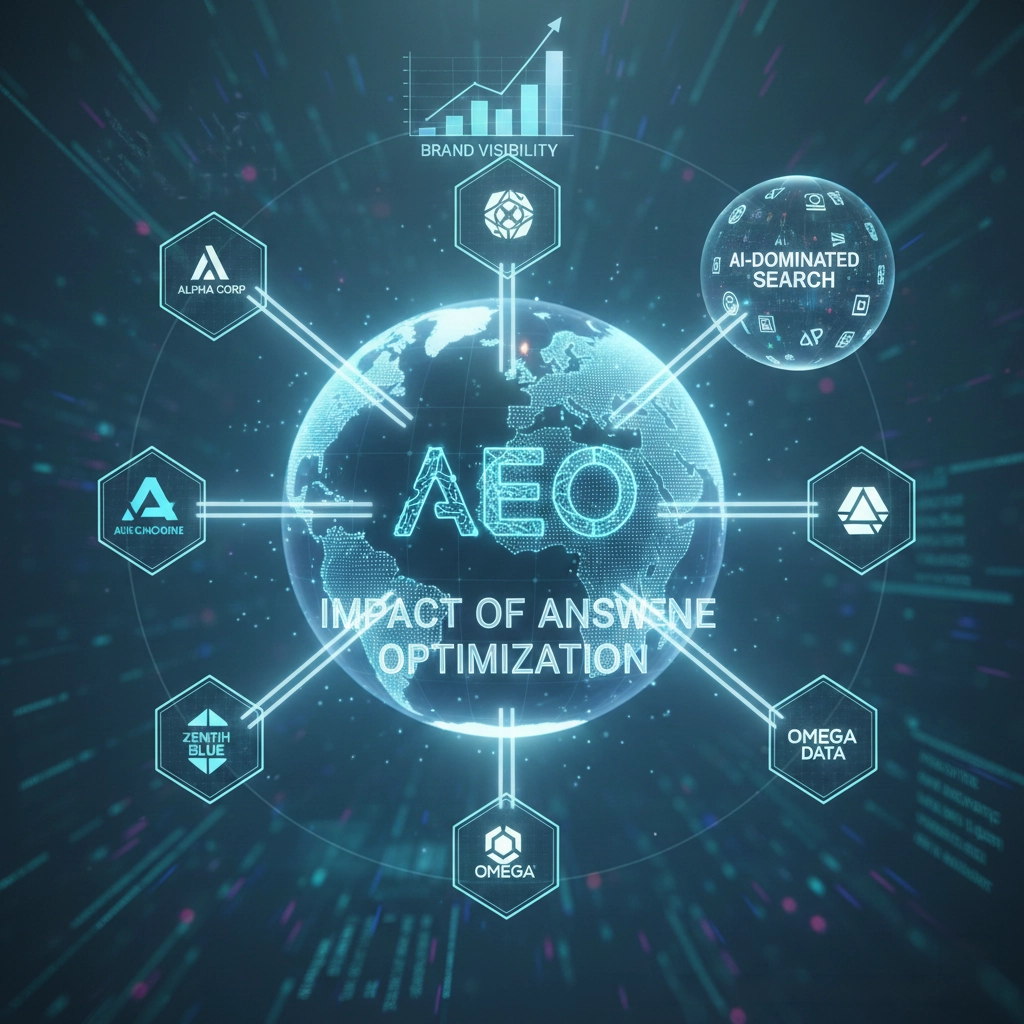
Impact of AEO on Brand Visibility in AI-Dominated Search

Impact of Answer Engine Optimization on Brand Visibility in an AI Dominated Search Search is changing. Gone are the days when users typed a few keywords into a search box and clicked a list of blue links. Today’s queries increasingly surface concise, curated answers delivered by AI-powered systems  conversational assistants, answer engines, and search features that synthesize information rather than just pointing to it. That evolution gives rise to Answer Engine Optimization (AEO): a practical discipline focused on getting brands and content recognized by AI-first search experiences. If you care about visibility, conversions, or reputation, AEO isn’t optional anymore  it’s the strategy that determines whether your brand gets quoted, recommended, or simply ignored. What AEO is (and why it matters) Answer Engine Optimization is the practice of structuring content so that AI answer systems — from conversational agents to featured-answer panels — surface it as their response to user queries. While SEO aimed at ranking pages on search engine result pages (SERPs), AEO aims at becoming the answer those systems return inside the experience itself. That matters because being the answer often means: Prominent placement (above the fold, within the assistant’s response). Higher trust signals: users treat succinct, single-source answers as authoritative. Fewer clicks to the brand, but potentially higher brand recall and direct conversions if the answer cites you or includes a call-to-action. AI-dominated search changes user behavior. Users expect instant, conversational help. They trust concise, well-formed answers; they skim less and act faster. Brands that are visible in these answer positions capture attention, set narratives, and often own the next steps of the customer journey. Understanding AEO Basics Answer Engine Optimization structures content using schema markup, natural language processing, and concise formats to help AI extract and cite information accurately. Unlike traditional SEO, which prioritizes rankings and clicks, AEO targets zero-click features like featured snippets, knowledge panels, and voice responses from assistants such as Siri or Alexa.​ AI platforms now favor entity-based understanding over keywords, mapping brands as interconnected knowledge graph nodes for instant answers. Over 3 billion people use these engines monthly, with 500+ billion annual queries driving the need for AEO.​ Early adopters report 65% higher brand mentions, as AI selection signals authority. The AI search market, valued at $18.5 billion in 2025, projects to $66.2 billion by 2035 at 14% CAGR.​ AEO vs Traditional SEO Aspect AEO SEO Goal Direct answers in AI responses ​ Higher rankings and traffic ​ Focus Structured data, concise Q&A ​ Keywords, backlinks ​ Platforms AI tools, voice assistants ​ Google, Bing SERPs ​ Metrics Impressions, citations ​ Clicks, CTR ​ AEO complements SEO by enhancing authority, often improving traditional rankings indirectly. For instance, AI citations boost domain trust, leading to better SERP positions. How AEO shifts brand strategy AEO forces brands to rethink three things: content structure, authority signals, and the intent cycle. Content structure: AI models favor clarity. That means short, precise definitions, step-by-step instructions, structured data, and content that anticipates follow-up questions. Content optimized for AEO is modular: concise lead summary, followed by supporting detail, lists, examples, and links to demonstrate provenance. Authority signals: In an AI context, authority isn’t just backlinks anymore. Signals such as published dates, citations, original research, schema markup, high-quality media, and brand verification all help AI systems decide which source to surface. Brands should publish verifiable facts, include clear attribution, and use technical SEO best practices to make their content machine-readable. Intent cycle: AEO is less about ranking for a single query and more about owning a small web of intents — the initial question, likely follow-ups, and the action the user might take. Brands that map this conversational flow and create content for the entire micro-journey win visibility and engagement. Practical tactics to win in answer-driven search Here are concrete, repeatable practices to improve the odds your brand becomes the answer: Lead with the answer: Put the short, direct answer in the first 40–60 words (or a clear, bold summary). AI systems prefer succinct answers and will often pull that top portion into their responses. Use structured markup: Schema.org, Open Graph, and other structured data formats tell machines what your content is about. Use Q&A, FAQ, HowTo, Product, and Article schemas where appropriate. Create modular content blocks: Use clear headings, bullet lists, numbered steps, and short paragraphs. This packaging makes it easier for AI to extract and recompose answers. Publish original data and research: Proprietary statistics, case studies, or unique visuals are strong differentiators. AI systems prefer sources they can cite; original data increases your chance of getting cited. Optimize for conversational queries: Think in questions and follow-ups: “How do I…?”, “Why does…?”, “What’s the fastest way to…?” Create short Q&A snippets that directly address those queries. Maintain freshness and accuracy: Inaccurate or outdated information is less likely to be surfaced. Keep evergreen content updated and mark revisions clearly. Nurture off-site credibility: Press mentions, citations, and social proofs remain important. AI systems still consider external signals when deciding what to trust. Positive Impacts: Boosting Authority and Conversions When executed well, AEO enhances brand visibility exponentially. Being cited in AI answers positions a brand as an expert, yielding higher conversion rates—up to 9x compared to traditional search, as users arrive more informed and ready to act. For instance, Amsive clients saw LLM-sourced traffic convert at 3.76% for insurance (vs. 1.19% organic) and 5.53% for eCommerce. Early adopters like Mayo Clinic (14.1% in healthcare) and Amazon (57.3% in retail) have monopolized AI mentions, building unassailable authority. AEO also fosters resilience. By optimizing for conversational queries, brands appear in voice searches via Siri or Alexa, expanding reach. It encourages creating hyper-specific, valuable content, like original research repurposed across platforms, which boosts share of voice and positive sentiment. In essence, AEO turns brands into “answers” rather than links, embedding them directly in consumer decision-making. Strategies for Mastering AEO To thrive, brands must adopt a holistic AEO approach. Start with technical foundations: Ensure crawlability for AI bots (e.g., via robots.txt for CCBot), use JSON-LD schema

Uncategorized

Instagram Marketing Strategy for Small Businesses

Instagram Marketing Strategy for Small Businesses In today’s digital-first world, Instagram has become one of the most powerful marketing platforms for small businesses. With over a billion active users and highly visual content formats, Instagram offers a cost-effective way to build brand awareness, connect with customers, and drive sales. However, success on Instagram doesn’t happen by posting randomly it requires a clear and well-planned marketing strategy. This blog explains a complete Instagram marketing strategy for small businesses, step by step, in a simple and practical way. Why Instagram Is Important for Small Businesses Instagram is not just a photo-sharing app anymore. It has evolved into a full-fledged business platform with features like business profiles, ads, shopping, reels, stories, and analytics. For small businesses, Instagram provides: Direct access to your target audience High engagement compared to other platforms Affordable advertising options Strong visual branding opportunities Easy communication through DMs and comments Whether you own a local shop, service-based business, start up, or personal brand, Instagram can help you compete with bigger brands when used strategically Step 1: Set Up a Professional Instagram Business Profile The first step in your Instagram marketing strategy is setting up a proper business profile. Key elements of an optimized profile: Username: Simple, brand-related, and easy to remember Profile photo: Logo or professional brand image Bio: Clear description of what you do, who you help, and your value Link: Website, WhatsApp link, or landing page Category: Choose the correct business category Your profile should instantly tell visitors what your business is about and why they should follow you. Step 2: Define Your Target Audience One of the biggest mistakes small businesses make is trying to target everyone. Instagram marketing works best when you focus on a specific audience. Define: Age group   Location   Interests   Problems they face   Type of content they consume   When you understand your audience clearly, your content becomes more relevant, engaging, and conversion-focused. Step 3: Create a Strong Content Strategy Content is the backbone of Instagram marketing. Posting consistently with purpose is more important than posting daily without a plan. Types of content small businesses should post: Educational posts (tips, how-tos, explanations)   Promotional posts (products, services, offers)   Behind-the-scenes content   Customer testimonials and reviews   Reels for reach and visibility   Stories for daily engagement   A good content mix is: 70% value-based content   20% engagement content   10% promotional content   This balance helps you grow without sounding overly sales-focused. Step 4: Use Reels for Organic Growth Instagram Reels are currently the best way for small businesses to reach new audiences organically. Reels are pushed to non-followers and can go viral even with a small account. Tips for effective Reels: Keep videos short and engaging (5–30 seconds)   Use trending audio where relevant   Show your product or service in action   Add captions for clarity   Post consistently (2–4 reels per week)   Reels help build visibility, brand recall, and trust quickly. Step 5: Optimize Hashtags and Captions Hashtags and captions play a major role in discoverability and engagement. Hashtag strategy: Use a mix of small, medium, and large hashtags Focus on niche and location-based hashtags Avoid banned or irrelevant hashtags Use 5–15 relevant hashtags instead of stuffing 30 Caption strategy: Start with a strong hook Provide value or tell a story End with a call-to-action (CTA) like “Save this”, “Comment”, or “DM us” Good captions increase engagement, which improves reach Step 6: Engage Actively With Your Audience Instagram is a two-way platform. Engagement is not optional—it’s essential. Daily engagement activities: Reply to comments and DMs Like and comment on followers’ posts Engage with similar accounts in your niche Use polls, questions, and quizzes in stories The more you engage, the more Instagram’s algorithm favors your content. Step 7: Use Instagram Stories to Build Trust Stories are perfect for showing the human side of your business. They disappear in 24 hours, which makes them more casual and authentic. Use stories to: Share daily updates   Show behind-the-scenes moments   Promote new posts or reels   Share customer feedback   Run polls and Q&A sessions   Posting stories daily keeps your brand visible at the top of your followers’ feeds. Step 8: Run Instagram Ads (Optional but Powerful) Organic growth is important, but Instagram ads can accelerate results—especially for small businesses. Popular ad objectives: Brand awareness Profile visits Website traffic Lead generation Sales or conversions Start with a small budget, test different creatives, and focus on clear targeting. Even ₹300–₹500 per day can deliver good results if done correctly. Step 9: Track Performance Using Instagram Insights You can’t improve what you don’t measure. Instagram Insights helps you understand what’s working and what’s not. Key metrics to track: Reach and impressions Engagement rate Follower growth Reel performance Website clicks Analyze your best-performing posts and create more content like them. Step 10: Be Consistent and Patient Instagram marketing is not a one-day success strategy. Small businesses must stay consistent and patient. Success depends on: Posting regularly   Improving content quality   Learning from analytics   Adapting to trends   Building relationships, not just followers   Consistency builds trust, and trust leads to conversions. Conclusion Instagram marketing is one of the most effective and affordable strategies for small businesses to grow online. With the right profile setup, content strategy, engagement plan, and consistent effort, even small brands can achieve big results. Instead of focusing only on followers, focus on value, connection, and trust. When done right, Instagram becomes not just a social media platform but a powerful business growth engine.

Scroll to Top